
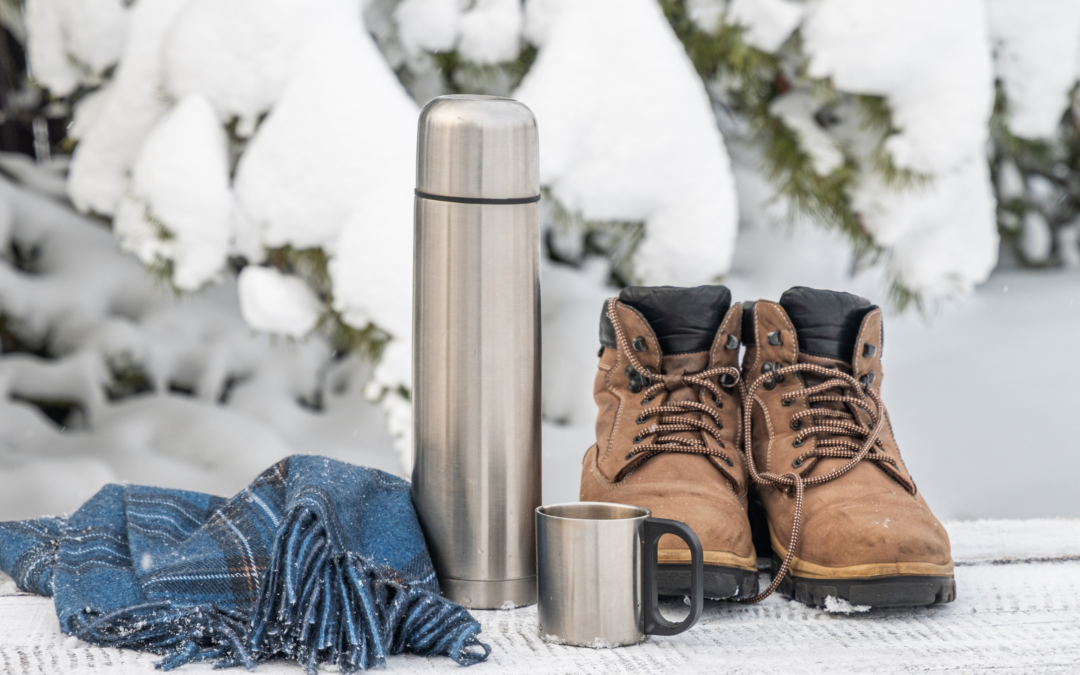
A local’s guide to staying warm, functional, and sane when the temps drop
Let’s get one thing straight: winter in Alaska doesn’t have to be miserable—but dressing wrong absolutely will make it that way.
Whether you’re new to Alaska, visiting during the colder months, or a longtime local who’s tired of being cold for no reason, knowing what to wear (and how to layer properly) is the key to actually enjoying winter instead of just surviving it.
Here’s how Alaskans stay warm, mobile, and comfortable—without overdressing, underdressing, or giving up halfway through February.
🧥 The Golden Rule: Layers, Not Bulk
In Alaska, layers matter more than thick coats. Why? Because you’re constantly moving between cold outdoors and warm indoors—cars, stores, schools, offices.
The goal is to trap heat without sweating (sweat = instant cold).
The 3-Layer System Alaskans Swear By:
- Base layer: moisture-wicking (this is non-negotiable)
- Mid layer: insulation
- Outer layer: wind + weather protection
👕 Base Layers: Your Most Important Piece
If you only invest in one thing, make it a good base layer.
What works best:
- Merino wool
- Synthetic moisture-wicking fabrics
What NOT to wear:
- Cotton (once it’s wet, it stays cold)
Base layers should fit snug—not tight—and be worn anytime you’re outside for more than a few minutes.
Pro tip: Long underwear isn’t just for extreme cold days. It’s everyday winter wear in Alaska.
🧶 Mid Layers: Warmth Without Restriction
This is where you add insulation.
Great mid-layer options:
- Fleece jackets
- Wool sweaters
- Lightweight down or synthetic puff jackets
You can double up mid layers on colder days, but keep them flexible so you can remove one indoors.
🧥 Outer Layers: Wind Is the Real Enemy
Cold is one thing—wind chill is another.
Your outer layer should be:
- Windproof
- Water-resistant or waterproof
- Long enough to cover your hips (especially for women)
Look for parkas or shells with:
- Adjustable hoods
- Storm flaps
- Quality zippers
🥾 Boots: This Is Not the Place to Cut Corners
Cold feet will ruin your entire day.
What Alaskans look for in winter boots:
- Waterproof (snow melts!)
- Insulated (rated for at least -20°F)
- Room for thick socks (tight boots = cold feet)
Pair boots with wool socks, not cotton. And no—more socks doesn’t always mean warmer if they’re too tight.
🧤 Accessories That Actually Matter
These small things make a big difference:
- Hat: Heat escapes from your head fast
- Neck gaiter or scarf: Protects face and neck
- Gloves or mittens: Mittens are warmer, gloves are more functional
- Hand & toe warmers: Great for long outdoor events
🧍♀️ Everyday Alaska Winter Outfits (Real Life)
You don’t need mountaineering gear to run errands—but you do need smart layers.
A typical Alaska winter outfit might look like:
- Base layer top + leggings
- Jeans or insulated pants
- Wool sweater or fleece
- Insulated parka
- Wool socks + winter boots
- Hat and gloves always in your bag
Yes—always in your bag.
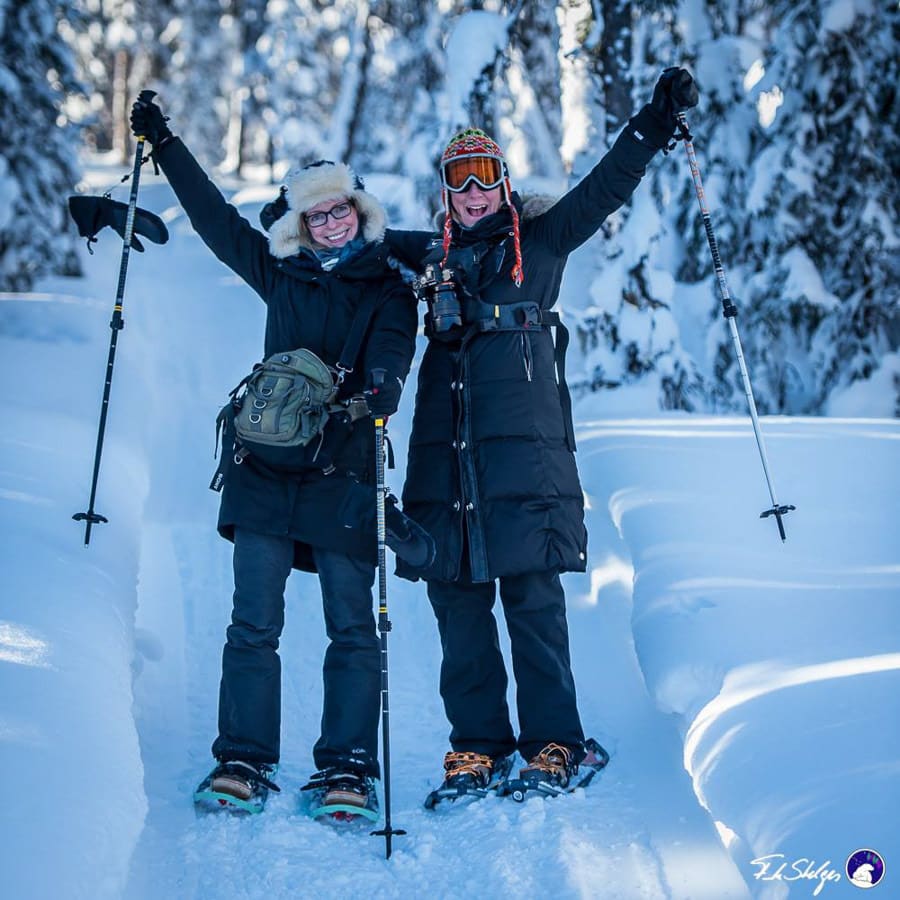
🚗 Don’t Forget the “Just in Case” Layer
Alaskans always keep extra gear in the car:
- Extra gloves
- Blanket
- Hat
- Spare socks
It’s not paranoia—it’s preparedness.
❄️ The Secret to Loving Winter in Alaska
When you’re dressed right:
- You stay outside longer
- You enjoy winter activities more
- You don’t dread errands or events
And suddenly, winter becomes cozy, peaceful, and kind of magical.
At Prime Alaskan Real Estate, we know Alaska living doesn’t stop when the snow falls—it just shifts gears. Dressing right is part of feeling at home here.
🏡 Thinking About Making Alaska Home?
Winter is when you really learn what a home offers—warmth, insulation, storage, and comfort matter more than ever.
If you’re looking for a home that fits real Alaska living, we’re here to help.
👉 Visit www.PrimeAKrealestate.com