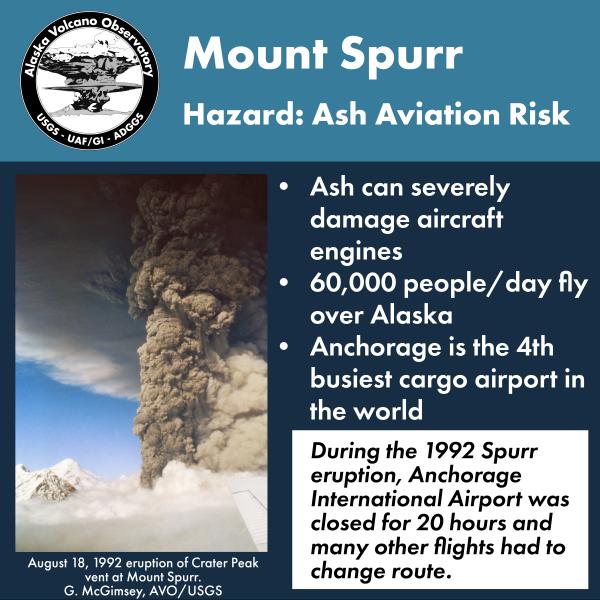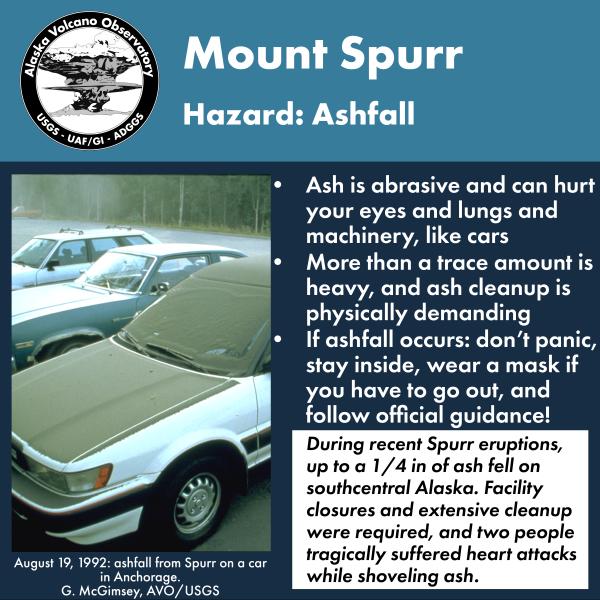
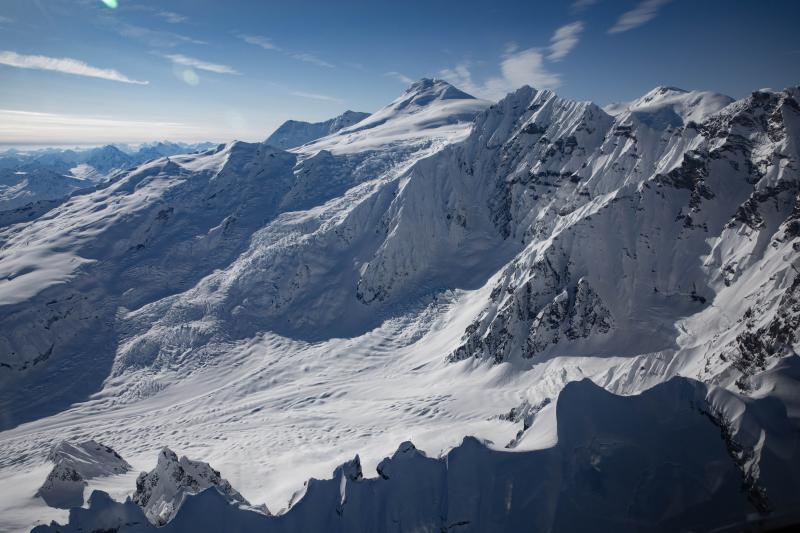
Alaskans are no strangers to the power of nature, and recent activity at Mt. Spurr has raised concerns about a possible eruption in the coming weeks. Located about 78 miles west of Anchorage, Mt. Spurr last erupted in 1992, coating the city in volcanic ashfall and disrupting daily life. While scientists continue to monitor seismic activity and gas emissions closely, it’s always wise to be prepared for the possibility of another eruption and its potential impacts. A volcanic eruption can affect not only Anchorage but also large portions of Southcentral Alaska, potentially impacting air quality, transportation, and public services. Understanding the risks and taking proactive steps now can help mitigate the challenges that come with such an event.
What to Expect if Mt. Spurr Erupts
A volcanic eruption at Mt. Spurr could send ash plumes high into the atmosphere, spreading fine particles over hundreds of miles. The impact on air travel could be significant, as volcanic ash can damage aircraft engines, leading to flight cancellations and delays across Alaska. Communications could also be affected, as ash can interfere with radio signals and electronic equipment. Additionally, the weight of accumulated ash on rooftops and infrastructure can cause damage to buildings, particularly if rain mixes with the ash, making it heavier.
Volcanic ash is not just an inconvenience—it poses serious health risks, especially for individuals with respiratory conditions. Inhaling fine ash particles can cause lung irritation, coughing, and difficulty breathing. It can also lead to eye and skin irritation. Furthermore, ashfall can contaminate water supplies by coating lakes, rivers, and reservoirs, making filtration systems work harder to keep drinking water safe. Understanding how to prepare and respond can make all the difference in minimizing its effects on daily life and personal well-being.
How to Prepare for Volcanic Ashfall
Preparation is key to staying safe and reducing the impact of an ashfall event. Here’s what you can do to get ready:
1. Stock Up on Essentials
- Have at least a two-week supply of food, water, and necessary medications, as an eruption could disrupt supply chains and transportation.
- Keep extra prescription medications on hand in case pharmacies experience closures or delays in restocking.
- Store emergency fuel for generators or alternative heating sources, as power outages could occur if ash disrupts electrical grids.
- Ensure you have a supply of batteries, flashlights, and a battery-powered radio for emergency updates.
2. Protect Your Home
- Close and seal windows, doors, and vents to prevent ash from getting inside your home and contaminating indoor air.
- If possible, cover outdoor equipment, furniture, and vehicles with tarps or plastic sheeting to prevent ash accumulation and damage.
- Check your roof’s weight capacity—volcanic ash, especially when mixed with rain, can become extremely heavy and pose a risk of collapse.
- Clean gutters and downspouts regularly before an event to prevent blockages that could lead to water damage when rain and ash mix.
3. Safeguard Your Health
- Use N95 masks or damp cloths to cover your mouth and nose when outdoors, as regular cloth masks or bandanas may not filter fine ash particles effectively.
- Wear goggles to protect your eyes from irritation and avoid wearing contact lenses, which can trap ash and cause discomfort.
- Stay indoors as much as possible to limit exposure, and keep pets inside as well to prevent them from ingesting or inhaling ash.
- If you have asthma or other respiratory conditions, consult your doctor about having extra inhalers or medications on hand in case of exacerbation due to ash exposure.
4. Prepare Your Vehicle
- Keep extra air and oil filters on hand, as ash can quickly clog them, leading to engine damage and decreased performance.
- Avoid driving unless absolutely necessary—ash can reduce visibility, make roads slippery, and cause significant wear and tear on vehicles.
- Store emergency supplies in your car, including water, blankets, first aid kits, and non-perishable snacks, in case you become stranded due to poor road conditions.
- Regularly check windshield wipers and fluid levels to ensure they are in good condition for clearing ash off windshields.
5. Stay Informed
- Follow updates from the Alaska Volcano Observatory (AVO), National Weather Service, and local emergency management agencies for the latest eruption forecasts and advisories.
- Sign up for emergency alerts on your phone or through local government systems to receive real-time warnings and safety instructions.
- Keep in touch with family and neighbors to coordinate support if needed, and establish a communication plan in case regular phone service is disrupted.
What to Do During an Ashfall Event
If an eruption occurs and ash begins to fall, take the following precautions:
- Stay indoors as much as possible and keep all windows, doors, and ventilation openings closed to prevent ash from entering your home.
- Avoid running fans, air conditioners, or heaters that can pull in ash and circulate it inside.
- If you must go outside, wear protective gear including a mask, goggles, and long sleeves to minimize exposure.
- Regularly clean ash off rooftops and gutters as soon as it is safe to do so, as accumulated ash can become extremely heavy and pose structural risks.
- Avoid using water to remove ash unless necessary, as wet ash can become cement-like and harder to clean.
- Keep pets inside and provide them with clean food and water, as ash can contaminate outdoor food and water sources.
Looking Ahead
While an eruption is not guaranteed, being prepared for the possibility can help you stay safe and minimize disruption. Volcanic activity is an inherent part of living in Alaska, and Alaskans have faced eruptions before with resilience and adaptability. By taking the time to prepare now, you can ensure that your household, property, and community are better equipped to handle an eruption if it occurs.
For the latest updates on Mt. Spurr, ashfall forecasts, and emergency preparedness resources, stay connected with local news sources and official agencies such as the Alaska Volcano Observatory. Being prepared today means being ready for whatever nature brings tomorrow.